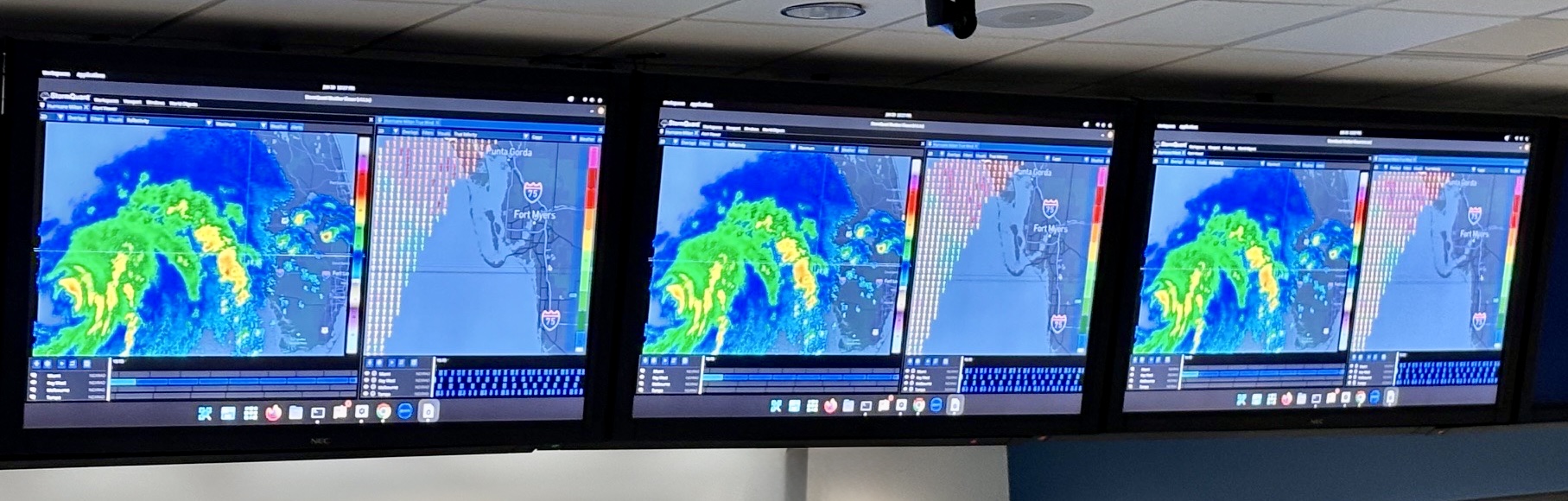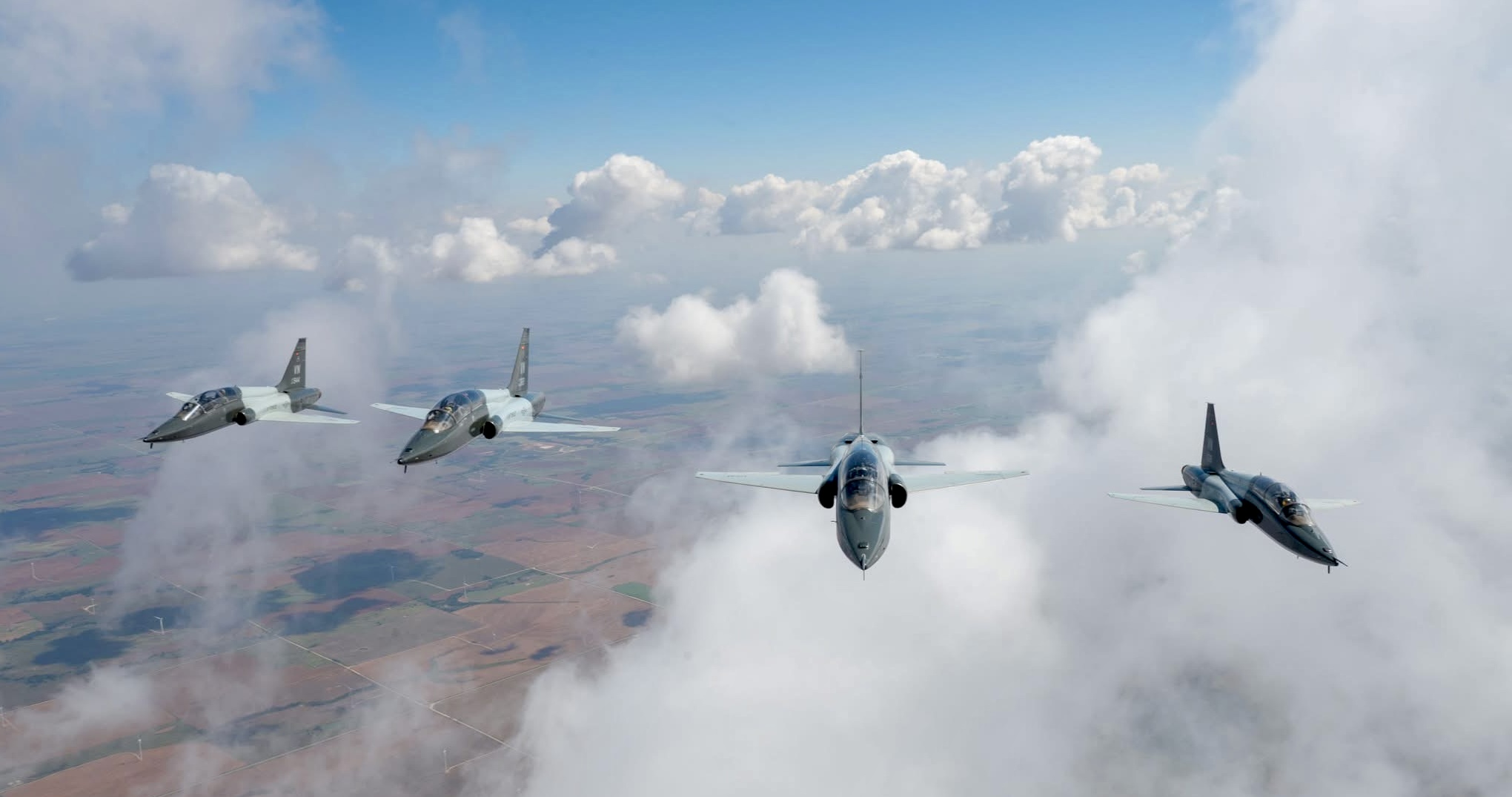
When a network outage disrupted normal weather functionality at Vance Air Force Base, StormQuant helped keep flight training moving and avoid the loss of significant pilot training days.
In late September and early October, a disruption to the Department of War’s Non-classified Internet Protocol Router Network (NIPRNet) left Vance Air Force Base without access to its normal weather-support functionality. For nearly two weeks, base personnel turned to StormQuant’s radar and Weather Viewer capabilities to access the weather information needed to support flight training operations.
The result was a real-world demonstration of the value of having an alternative when established systems become unavailable. By helping maintain access to critical weather intelligence, StormQuant supported continued training operations and helped preserve valuable training days that otherwise could have been lost.
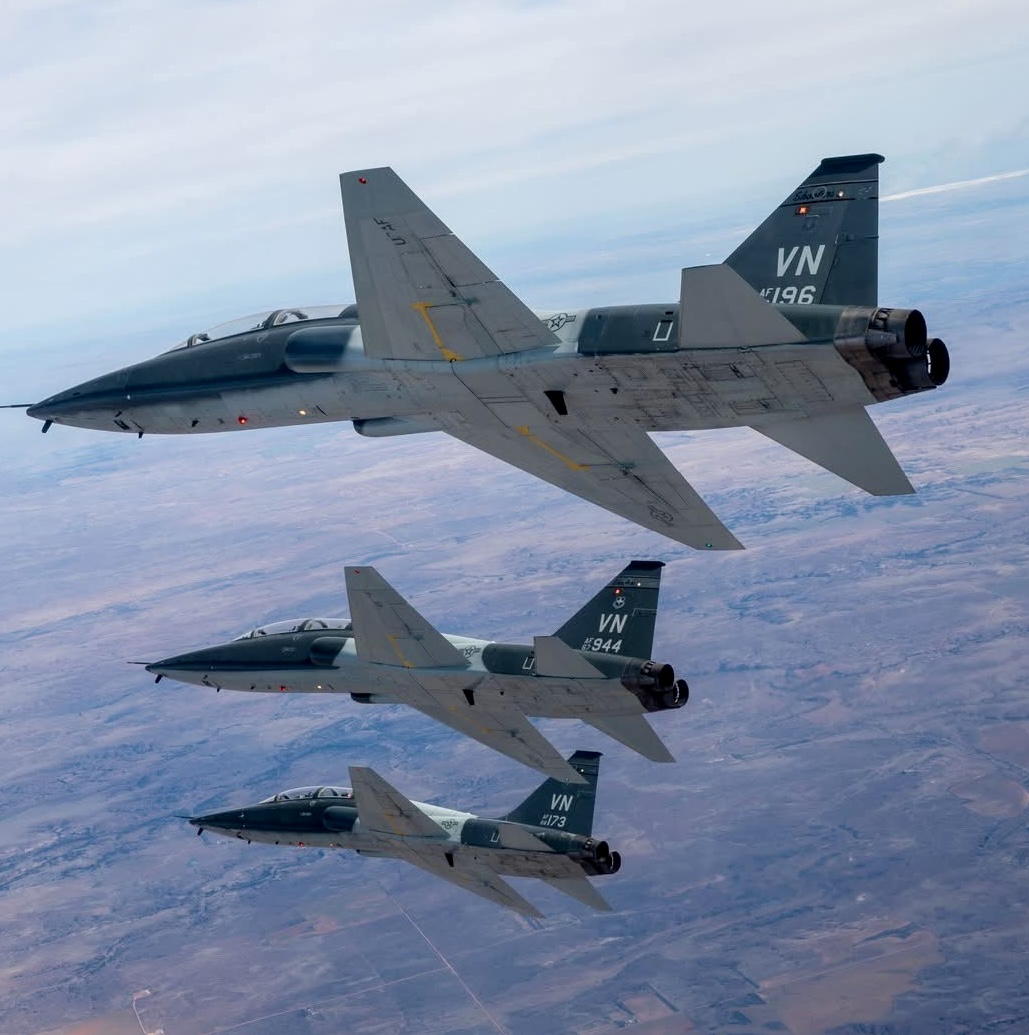
Keeping the Mission Moving
At Vance AFB, weather is more than a planning consideration. It directly affects when aircraft can fly, how training schedules are managed, and how safely operations can be conducted. When weather support becomes unavailable, the consequences can extend well beyond a single day’s schedule, affecting aircraft availability, instructor time, and the pace of pilot training.
During the network disruption, Vance personnel adapted and put StormQuant to work. The platform provided an alternative means of accessing and visualizing weather information, helping the team maintain situational awareness and support flight operations during a period of uncertainty.
This was not a planned demonstration. It was a real operational challenge, and an opportunity to show the practical value of StormQuant’s capabilities when they were needed most.

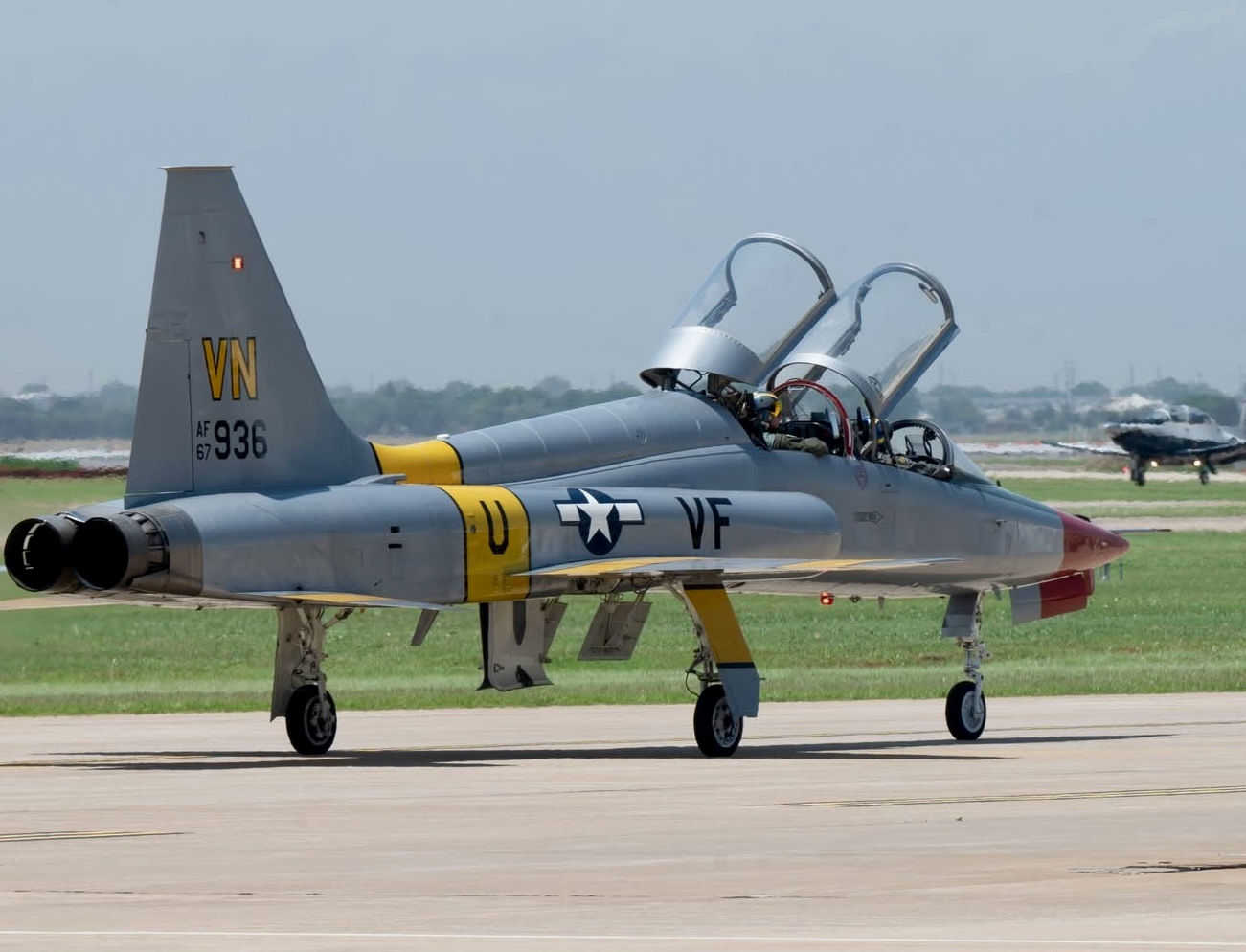
Making Weather Data More Useful
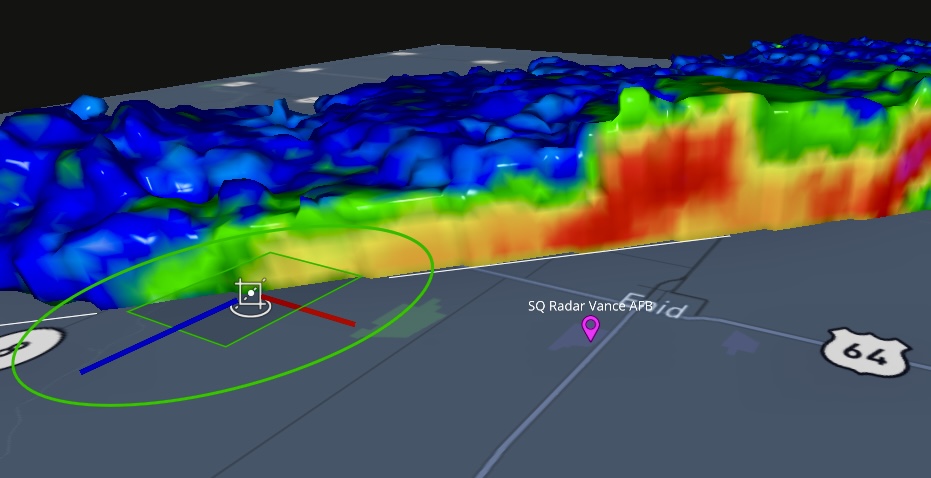
StormQuant’s proprietary Weather Viewer allows operators to examine atmospheric conditions through dynamic horizontal and vertical cross-sections, providing a three-dimensional view of developing weather systems.
Rather than relying solely on traditional radar displays, users can examine weather from multiple perspectives to better understand changing conditions and their potential impact on flight operations. These capabilities support the everyday decisions that matter in military aviation, from evaluating conditions before launch to adjusting training schedules as weather evolves.
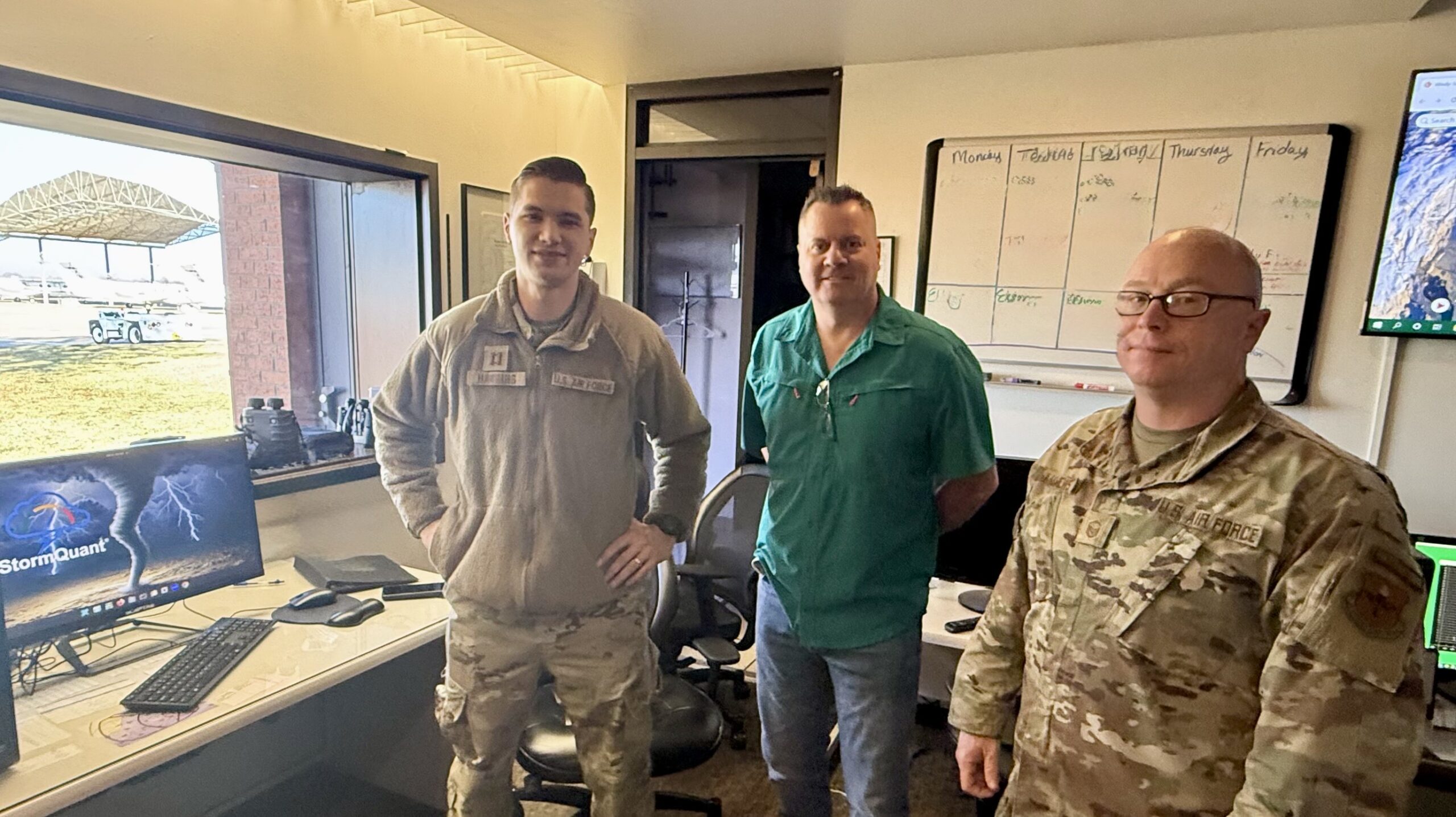
StormQuant’s work at Vance has been coordinated with the 71st Operational Support Squadron, with Capt. Jacob R. Hawkins, USAF. Training for Vance personnel has been led by Lt. Col. (Ret.) Howard Moore, StormQuant’s Chief Meteorologist.
Their work reflects an important part of fielding new technology: ensuring that the people using it understand its capabilities and can apply them to real operational needs.
Reliability Is Proven in the Field
The experience at Vance reinforces a straightforward lesson: technology matters most when people can put it to work under real-world conditions.
By helping Vance sustain flight training during an extended disruption to its normal weather functionality, StormQuant demonstrated how resilient weather capabilities can help protect operational schedules and preserve valuable training opportunities. The training days saved represent more than time on the calendar. They represent continued progress in preparing military pilots for the missions ahead.
StormQuant is proud to support Vance Air Force Base and the 71st Operational Support Squadron in their work to train the next generation of U.S. and allied pilots.
At StormQuant, our focus is simple: deliver the weather intelligence operators need to make informed decisions, sustain operations, and keep the mission moving.