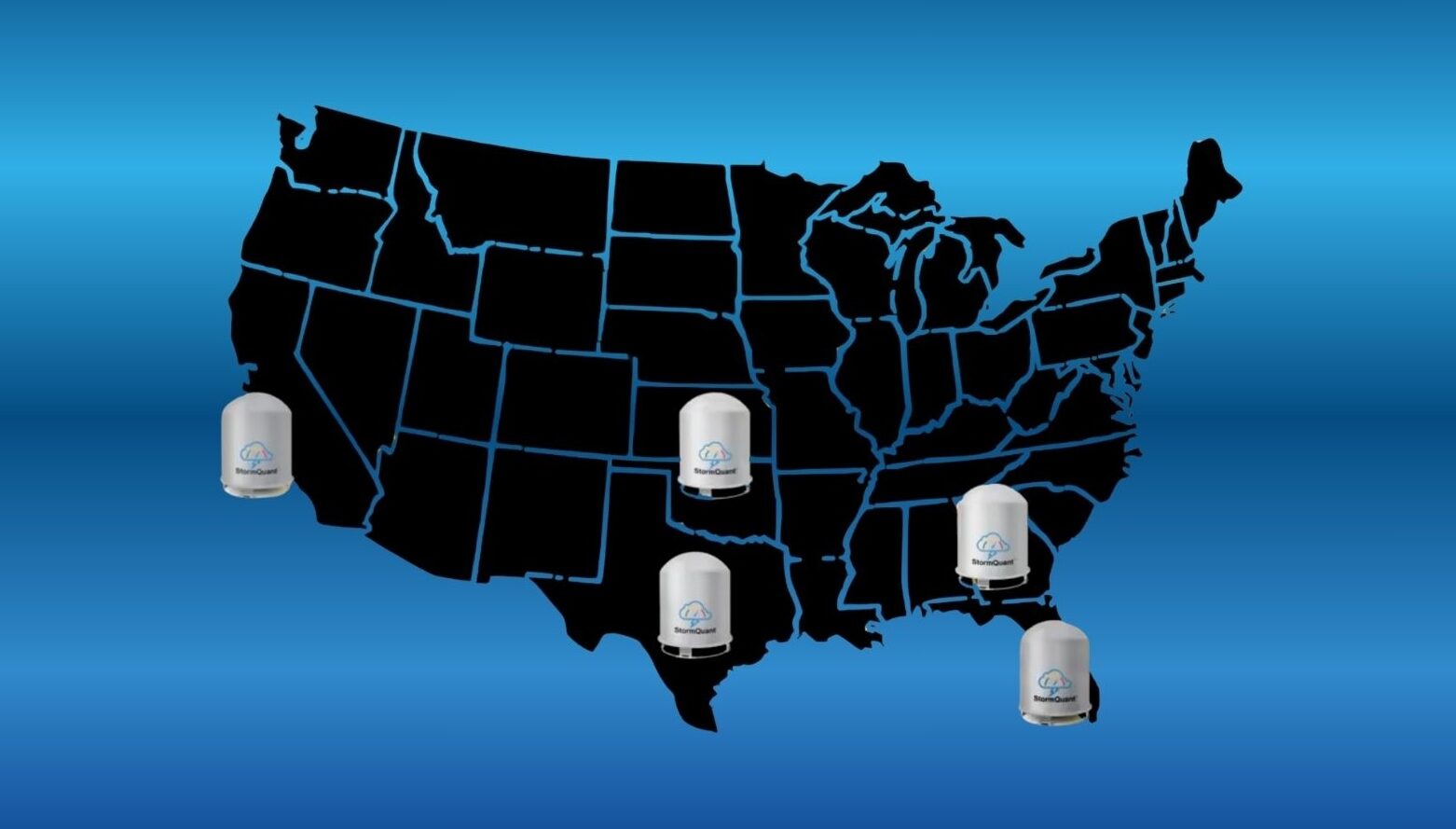
StormQuant Next-Generation Radar Technology
By fusing patented, cutting-edge hardware with intelligent proprietary software, StormQuant has engineered a radar system built to outperform. StormQuant’s unique radar design can operate in both Plan Position Indicator (PPI) and Range Height Indicator (RHI) Rapid Refresh modes. Others only perform the standard PPI scan. The RHI scan allows users to target specific weather areas while providing increased local coverage and faster refresh.
“This breakthrough platform isn’t just an incremental upgrade,” said Edward Rossi, CEO of StormQuant. “It’s a globally scalable game changer poised to transform weather monitoring across U.S. and international markets.”
Years of rigorous testing and relentless iteration culminate in nearly 27,000 precision components working seamlessly together. The result is a compact, installation-ready radar that delivers exceptional versatility, power, and efficiency. StormQuant’s radar is designed to deliver next-level detection capabilities—0 dBZ at 20 nautical miles (NM), compared to the industry-standard 18 dBZ. Enhanced sensitivity delivers superior data resolution which improves forecasting confidence.
“This breakthrough platform isn’t just an incremental upgrade,” said Edward Rossi, CEO of StormQuant. “It’s a globally scalable game changer poised to transform weather monitoring across U.S. and international markets.”
Years of rigorous testing and relentless iteration culminate in nearly 27,000 precision components working seamlessly together. The result is a compact, installation-ready radar that delivers exceptional versatility, power, and efficiency. StormQuant’s radar is designed to deliver next-level detection capabilities—0 dBZ at 25 nautical miles (NM), compared to the industry-standard 18 dBZ. Enhanced sensitivity delivers superior data resolution which improves forecasting precision.
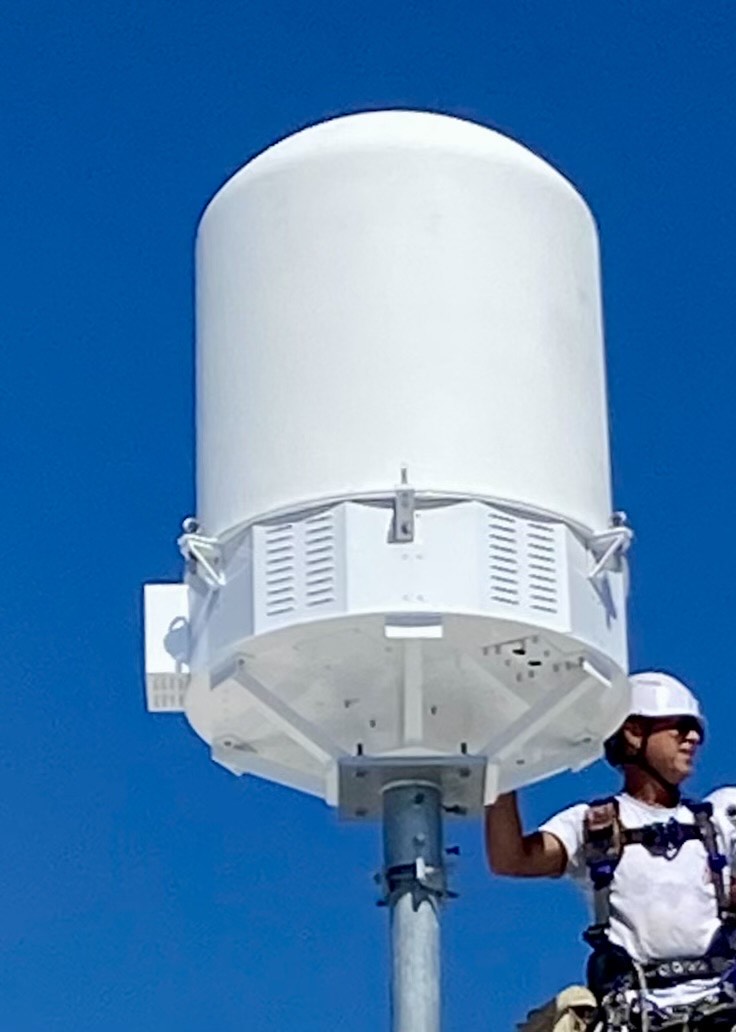
Rapid RHI & Sector Scanning Brings Weather Into Full View—Vertically
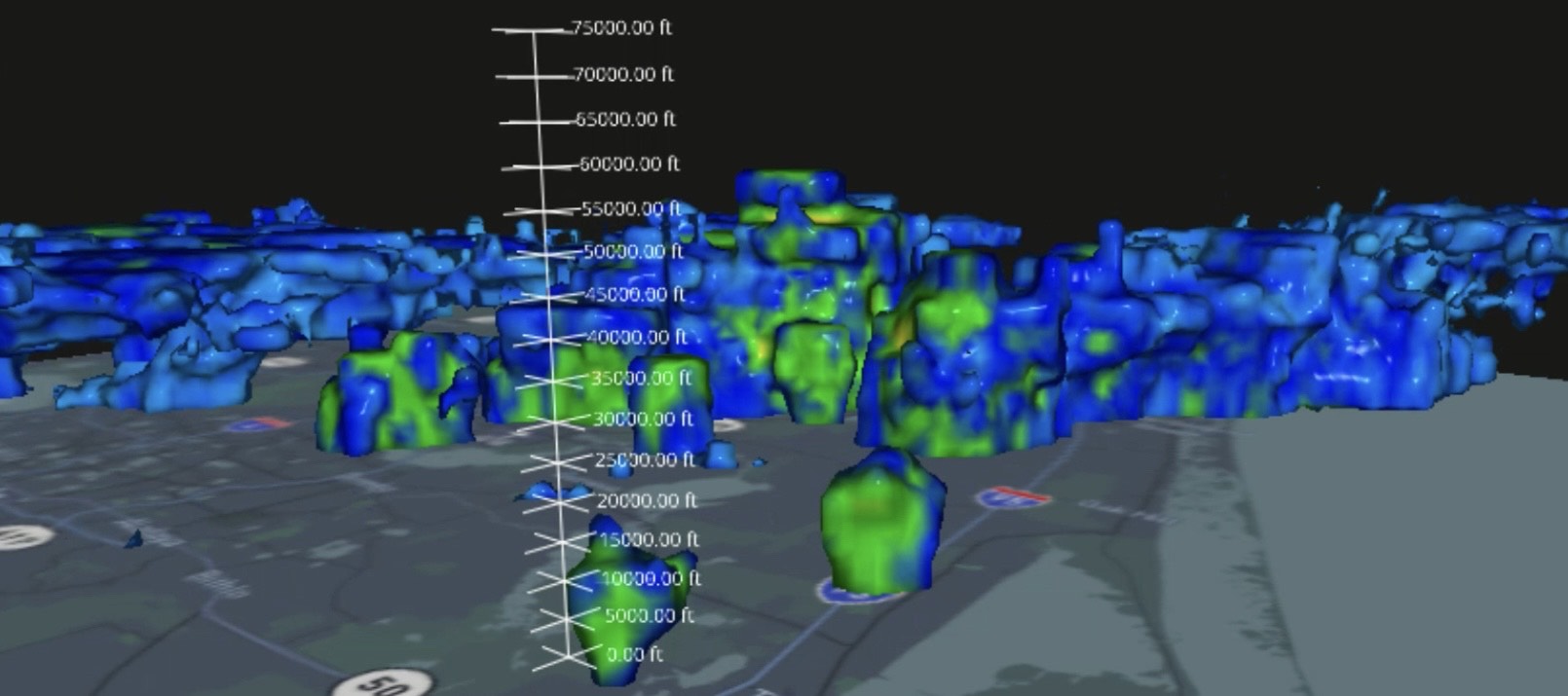
Instead of looking only across the landscape, StormQuant’s radar can also scan upward through the atmosphere, delivering a real-time vertical slice of the storm. This reveals critical details traditional radar can miss: how tall a storm is growing, how rapidly it’s intensifying or weakening, and what’s happening at multiple altitudes—all as it unfolds. By adjusting sector sizes and the number of elevation counts, users can obtain data refreshes in tens of seconds. All StormQuant radars support RHI scanning; this is a standard operational capability rather than a special configuration.
This vertical insight is critical for general aviation, military, and space operations. Many of the most dangerous weather signals begin inside the storm well before impacts are felt at the surface. With rapid RHI scanning, forecasters can spot strengthening updrafts, microbursts, low-level wind shear, and collapsing storm cores earlier and with greater confidence—while still maintaining complete situational awareness across the broader region. The result is earlier warnings, sharper decision-making, and major advancements in tornado awareness and aviation safety.

Click here for a standard 4-minute radial weather depiction integrated with a 1-minute StormQuant Sector RHI scan.
StormQuant Hosts Demonstrations for Government and Industry Leaders
StormQuant team members from across the country recently convened in Florida at the company’s Space Coast facility to preview the rollout of its latest technology and to showcase its capabilities to U.S. government officials and industry leaders. The meetings featured an in-depth review of platform capabilities and demonstrations of the radar’s advanced performance.

A key highlight was a live “top-off” visual demonstration, showcasing remote radar operation across multiple scan modes. Attendees observed firsthand the system’s flexibility, speed, and precision—earning an overwhelmingly positive response from professionals who depend on high-confidence weather intelligence for critical decision-making.
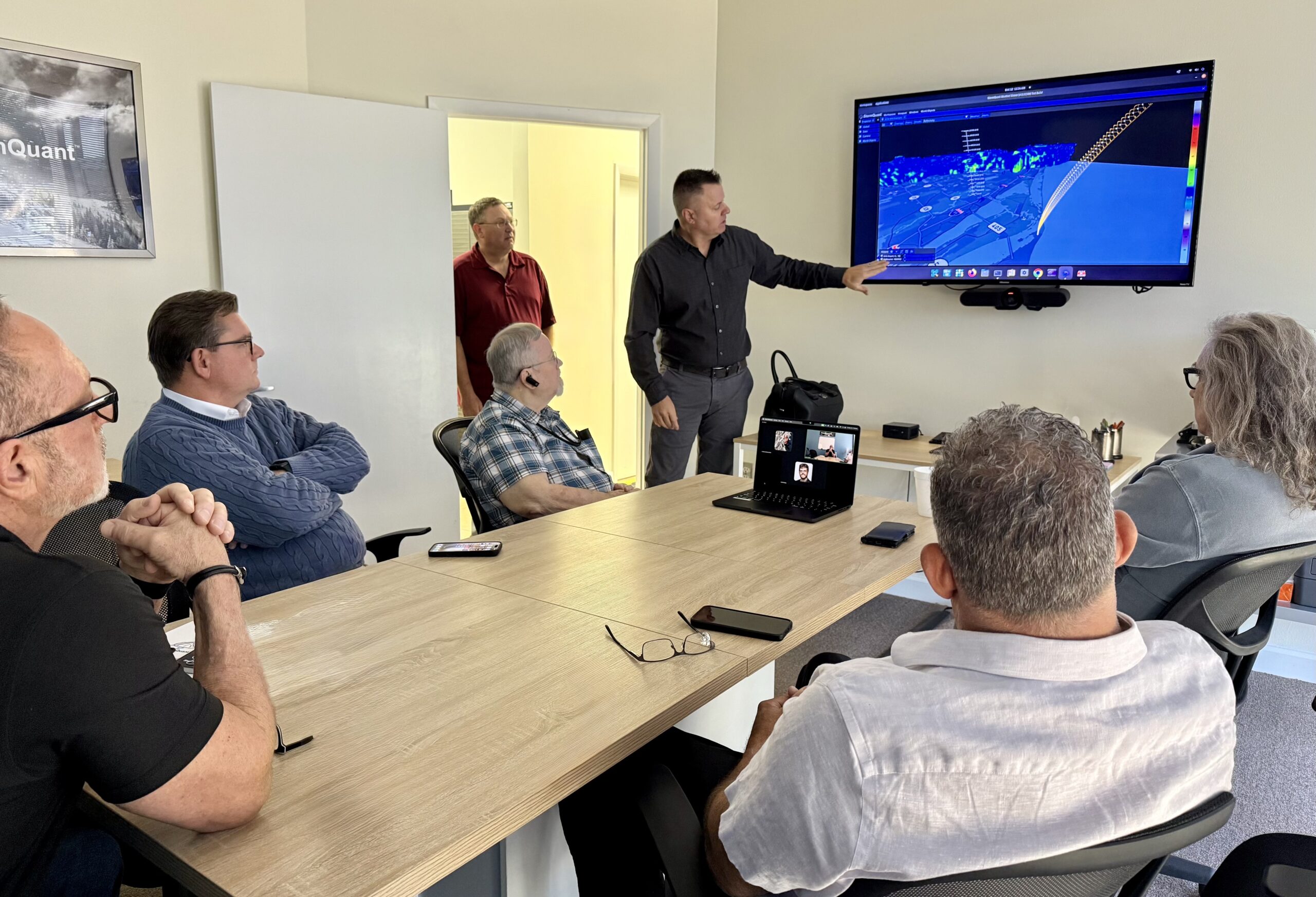
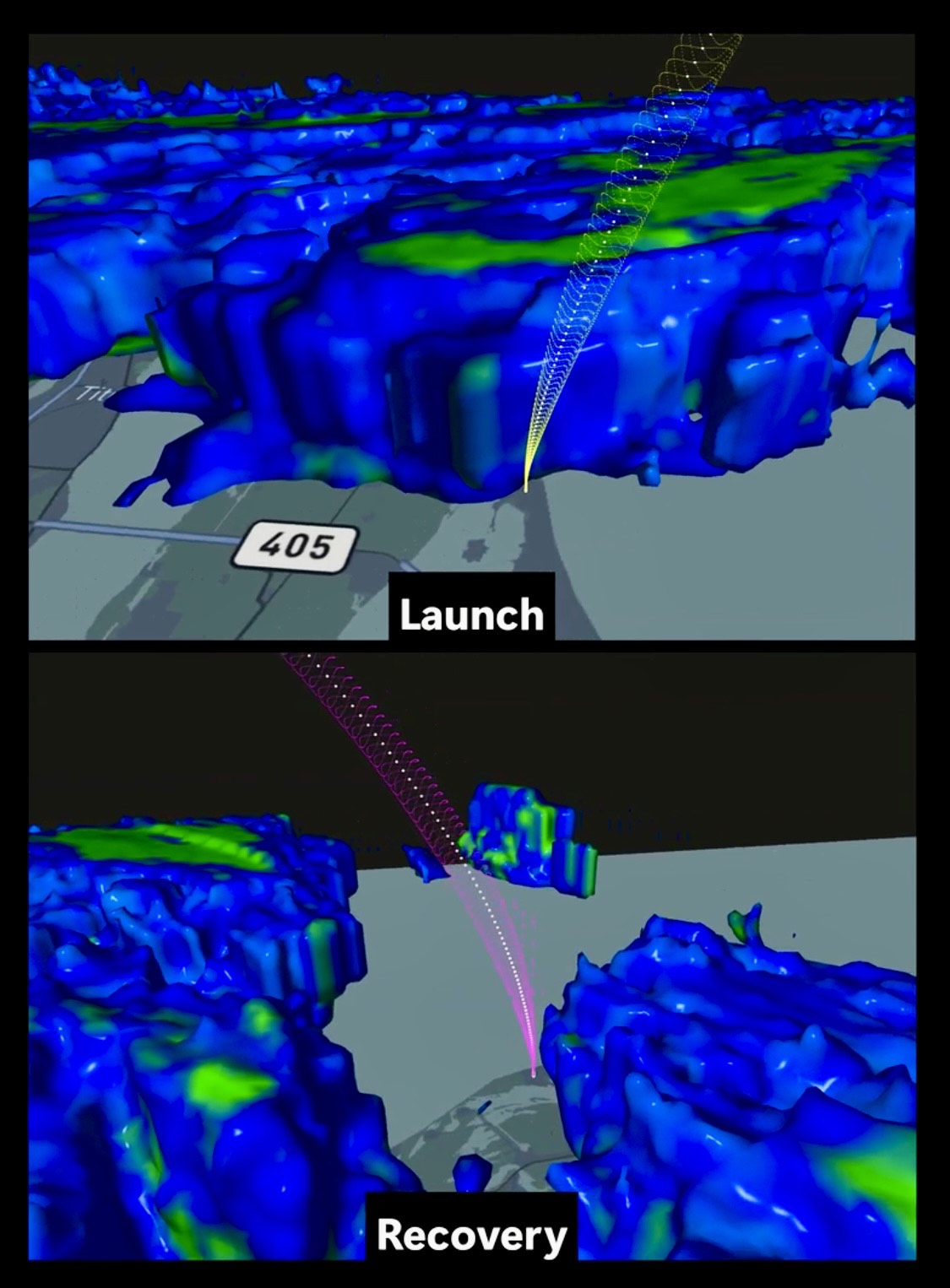
The presentation also included a detailed case study examining a late-July rocket launch that was ultimately scrubbed due to weather concerns.


“Our analysis of the scrubbed launch showed that transitioning from standard PPI scanning to an RHI sector scan could have delivered faster radar refresh rates and enhanced clarity, potentially enabling a more timely and confident go/no-go launch decision,” said Tristan Rizzi, Capt. SEAL, USN (Ret), and President of StormQuant.
The successful demonstrations underscored StormQuant’s commitment to advancing weather intelligence solutions that meet the evolving needs of aerospace, government, and industry partners.